Listening locations
Compare detections, effort, and equipment gaps across the places in a project.
Still Habitat
Field work · Coastal California pilot
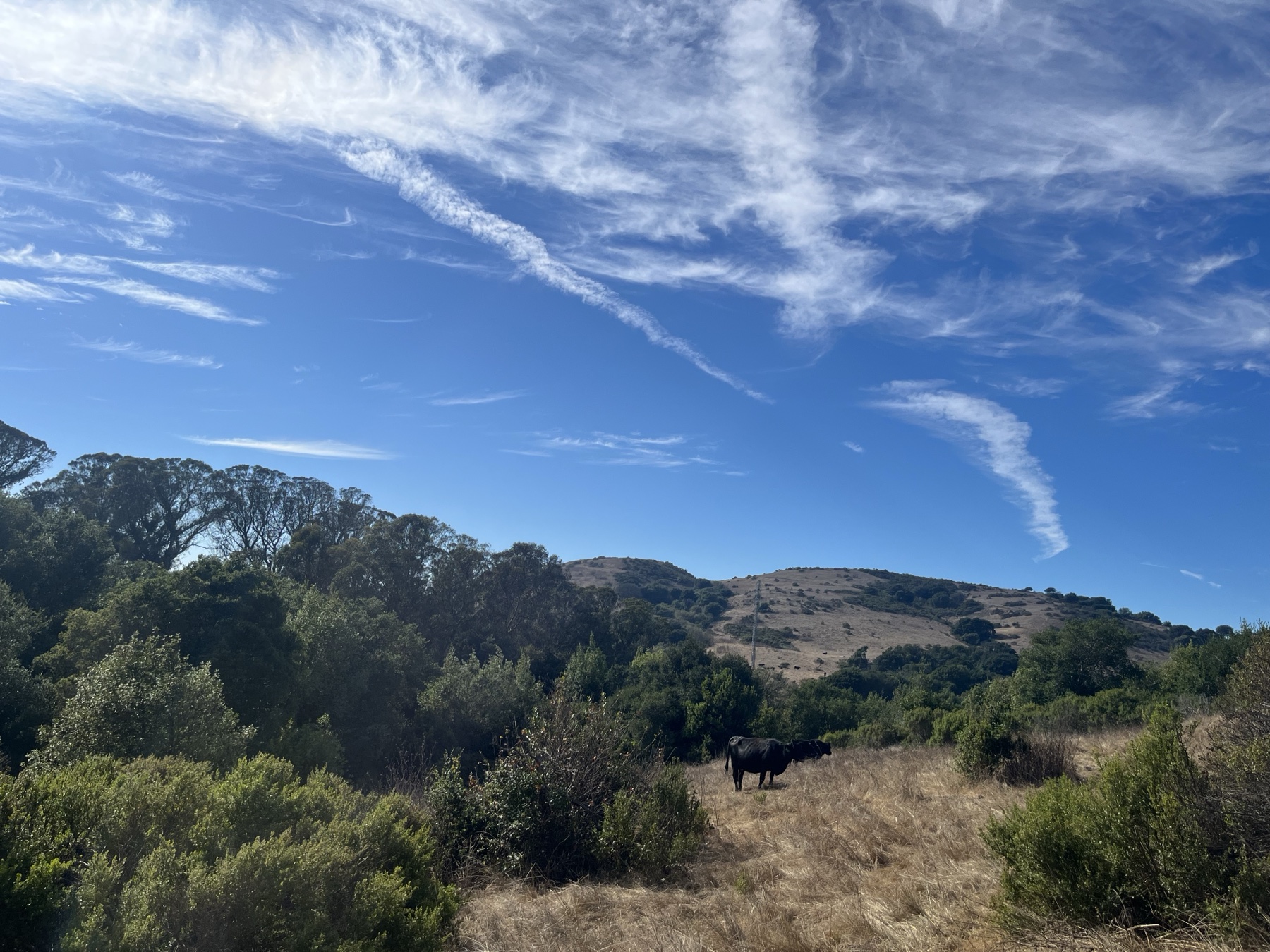
At a coastal Northern California ranch, cattle graze across open pasture near planted windbreaks and hedgerows. Persistent wind can be hard on young trees. The plantings can create shelter for livestock and habitat for wildlife while leaving room for grazing.
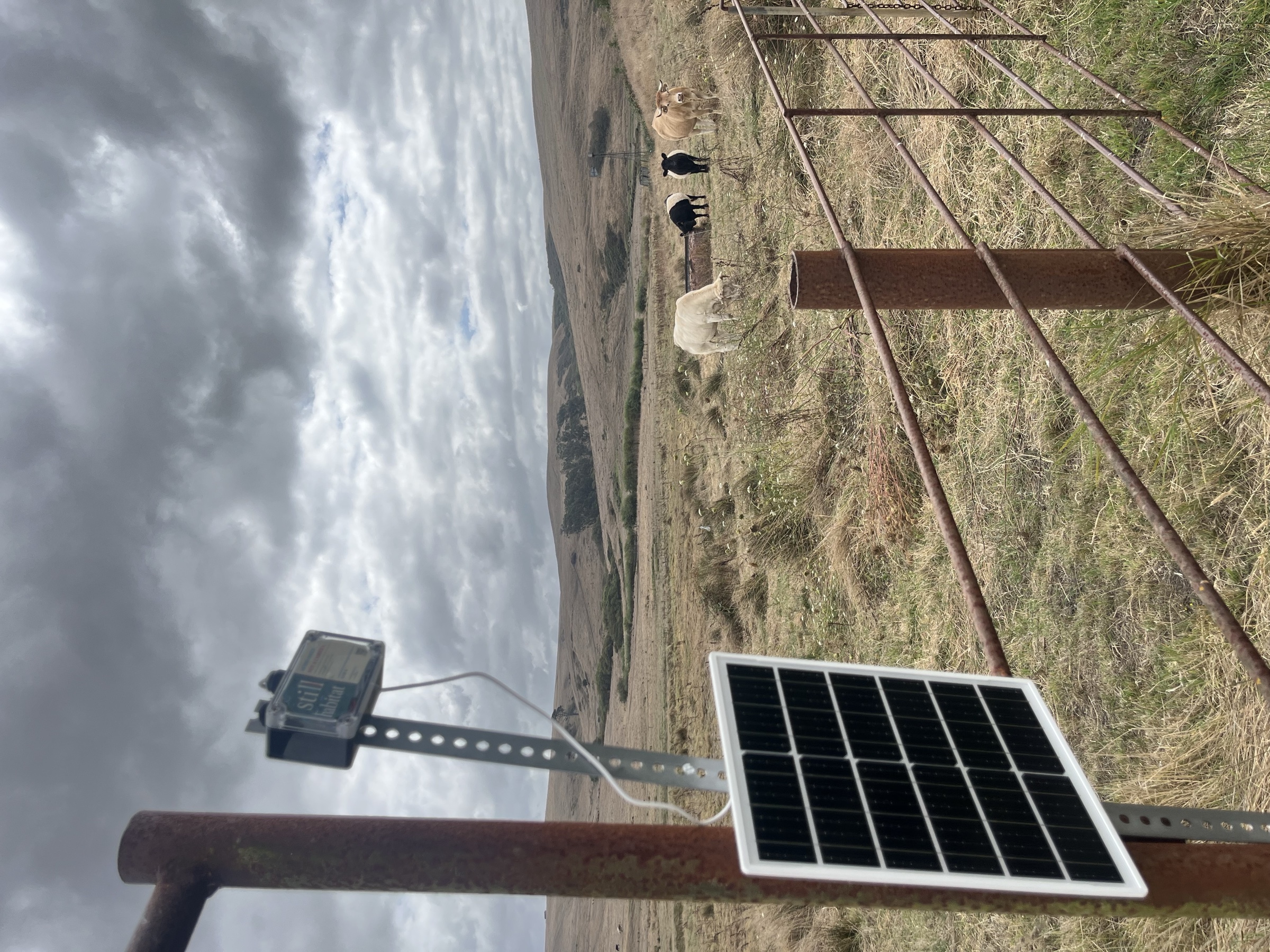
Our Catbird pilot listens at selected points near shelter plantings and in open pasture. We compare which birds are suggested in each setting, how those patterns change through the seasons, and what the record looks like alongside wind and field observations. The partner and precise location are private on this public page.
GIS / the map is part of the monitoring record
The local field system sends compact detection reports into the cloud-based Catbird app. Check the project from anywhere, with each Ear and wildlife suggestion connected to its place on the land.
Compare detections, effort, and equipment gaps across the places in a project.
See each Ear in relation to vegetation, water, weather, and other mapped features.
Keep model suggestions connected to listening location and time for comparison and review.
Available project deliverables
Your team can receive the GIS layers used in its reports. We can also scope advanced reporting that examines interactions among habitat, climate, management areas, and acoustic observations.
Catbird / redacted pilot view
Open Catbird in a browser on your phone or computer. These saved views show how a partner can follow incoming detections and explore patterns while the public page withholds the partner name, listening point names, and precise map.
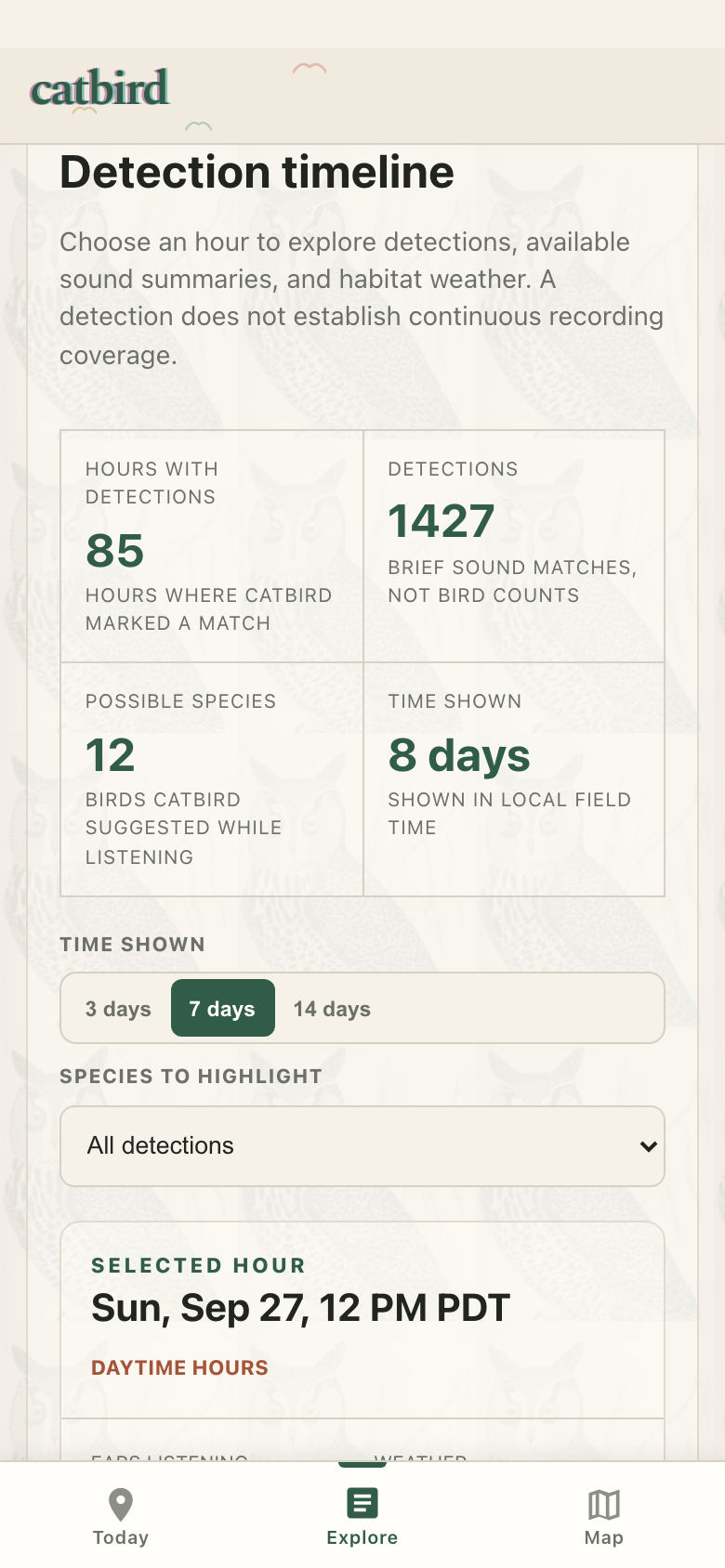
Explore connects detections with hours, available sound summaries, and weather. Missing coverage remains visible as an unanswered question.
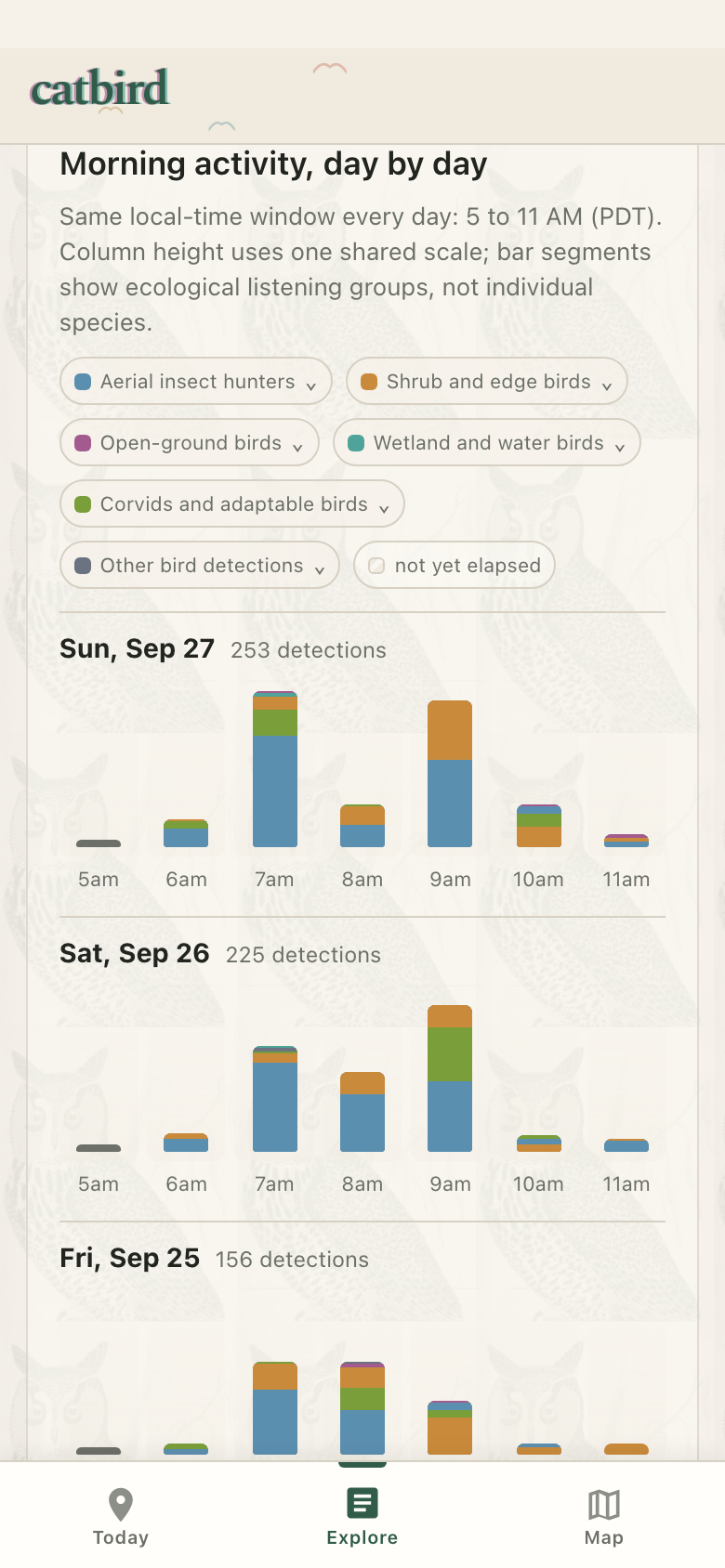
Compare the same morning hours across days, then consider recording effort, placement, and weather before interpreting a difference.
Saved app views from an ongoing pilot. A detection is a model suggestion, not a count of individual animals.
Questions we could investigate together
These are prospective examples, not completed case studies. Each starts with a management question and ends with something another member of your team can review.
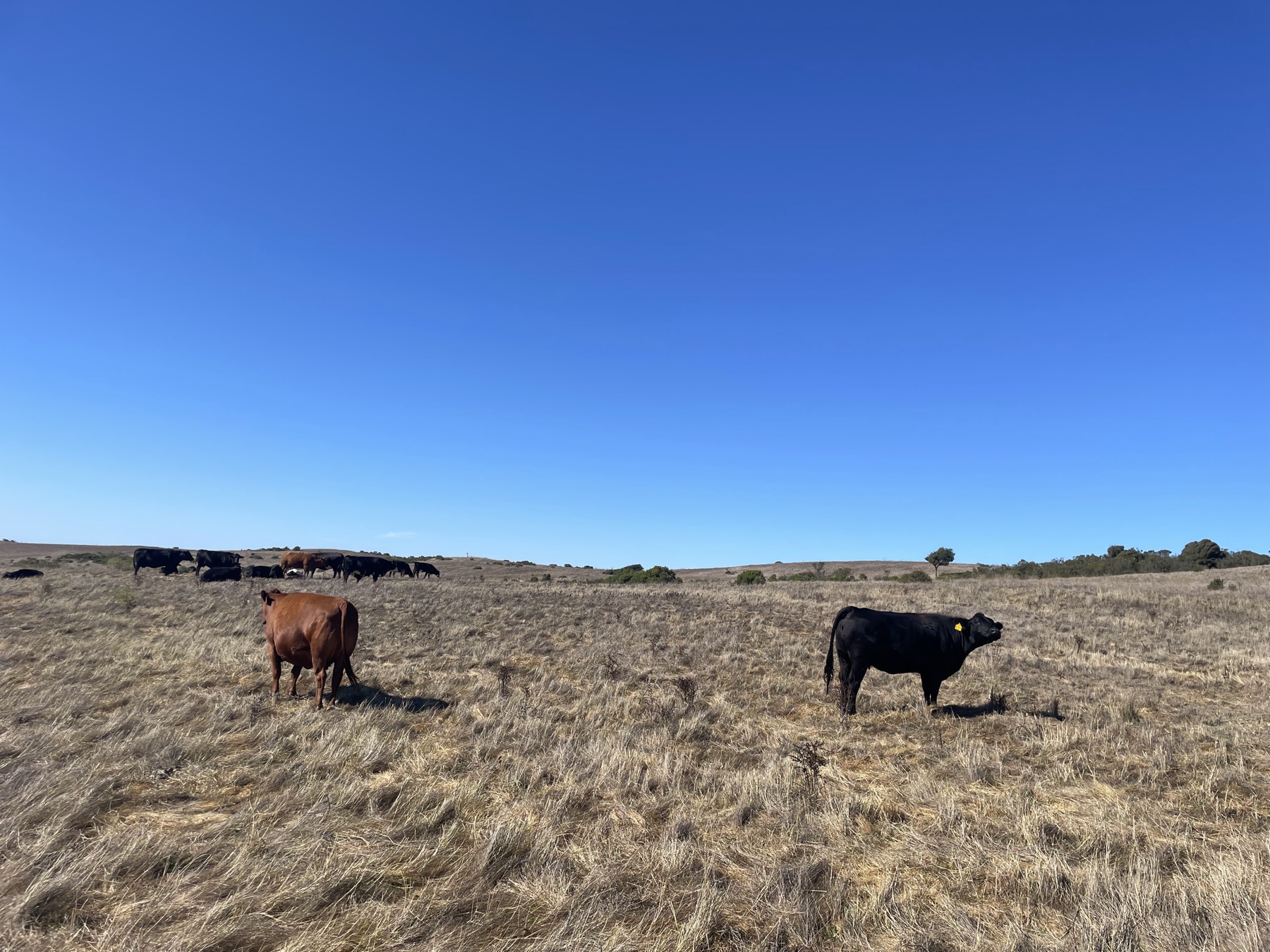
Compare two pastures before a grazing change and through the rest period, alongside grazing dates and field notes.
Useful output: a comparison your grazing adviser can review.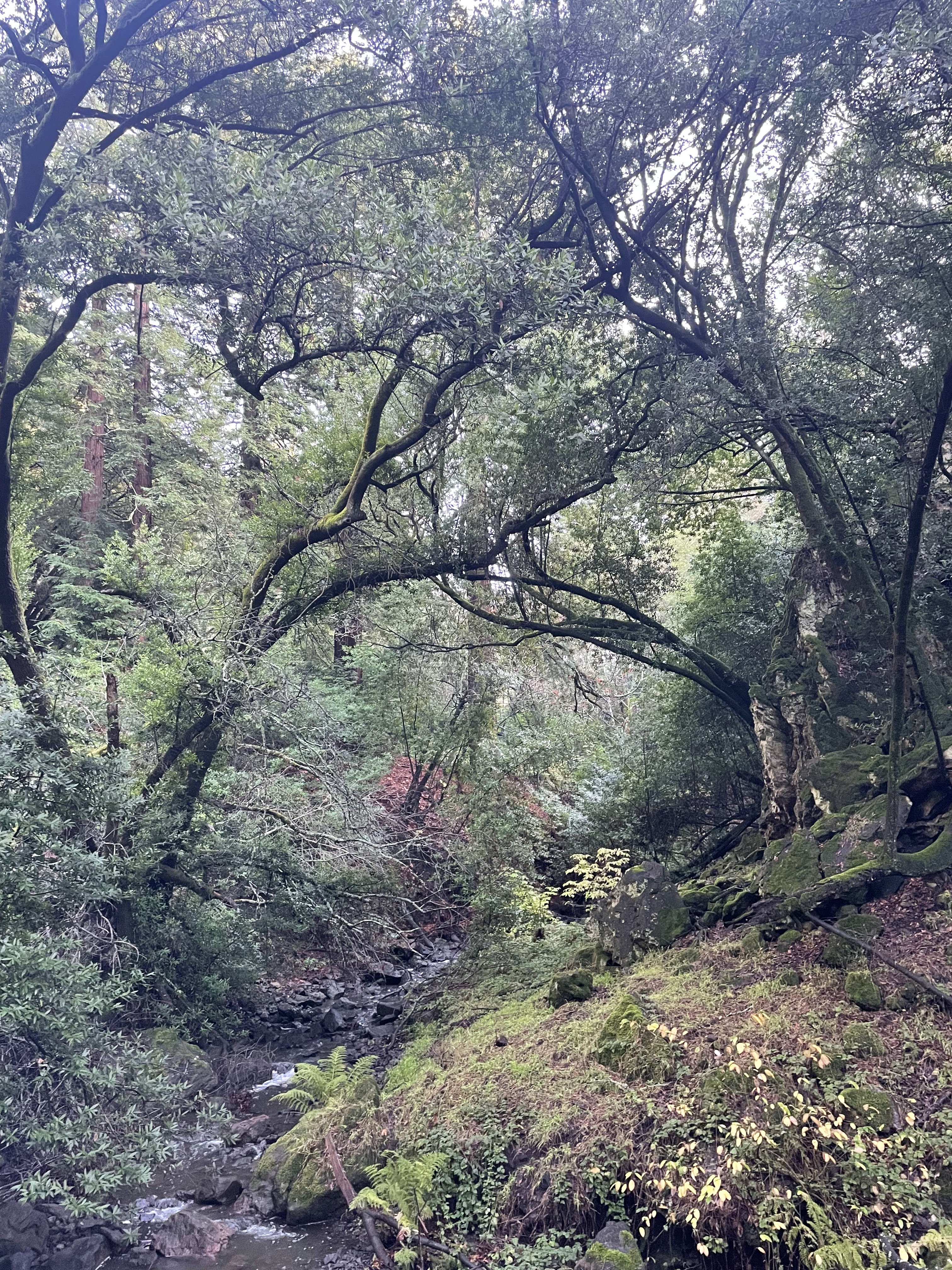
Compare listening near an established riparian strip and a new planting. Temperature can be added as a separate logger study.
Useful output: mapped observations and a plan for where to look more closely.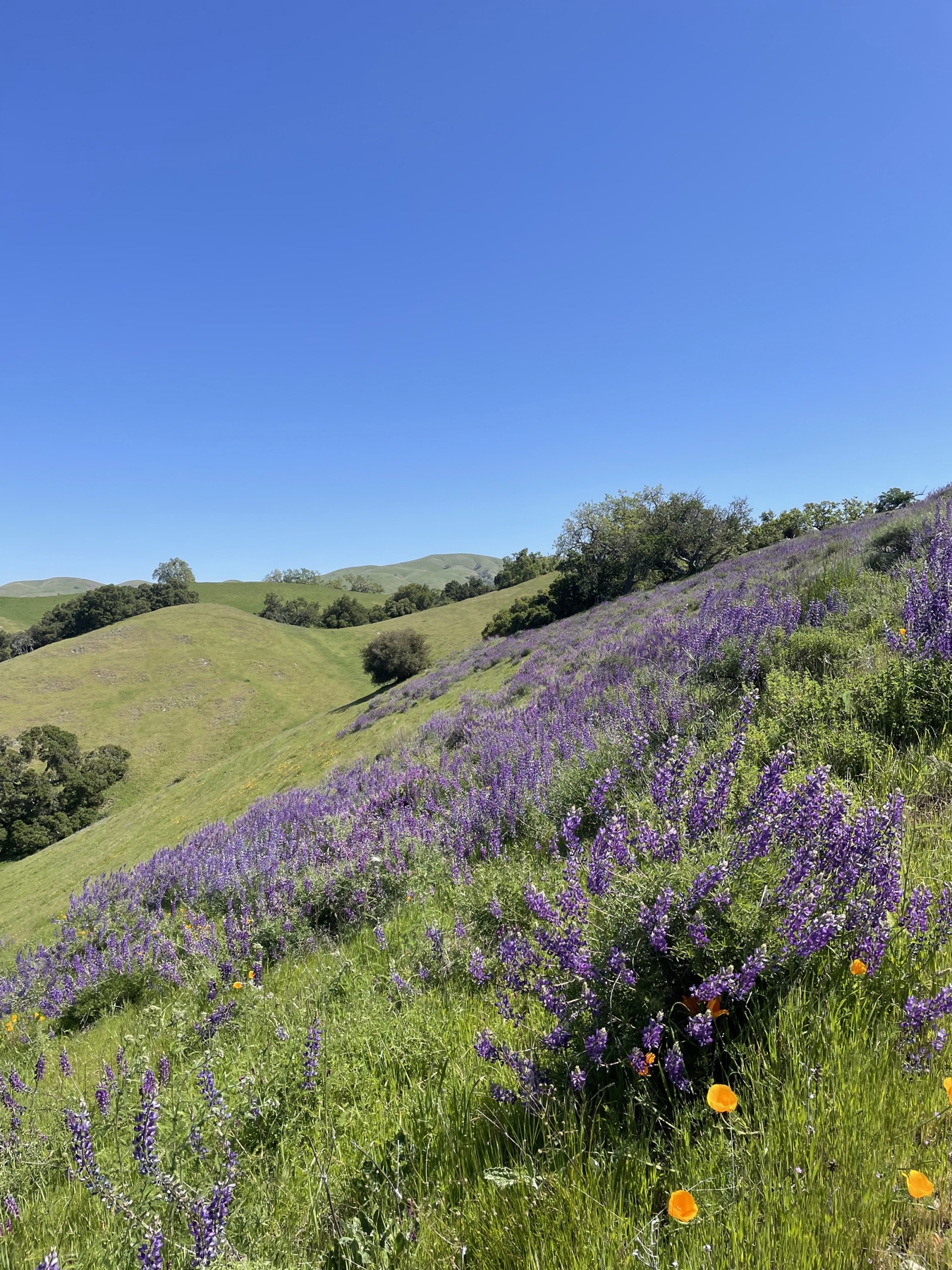
Choose listening points at the planting and an open edge before work begins, then revisit the same locations in comparable seasons.
Useful output: a repeatable record to discuss with your restoration team.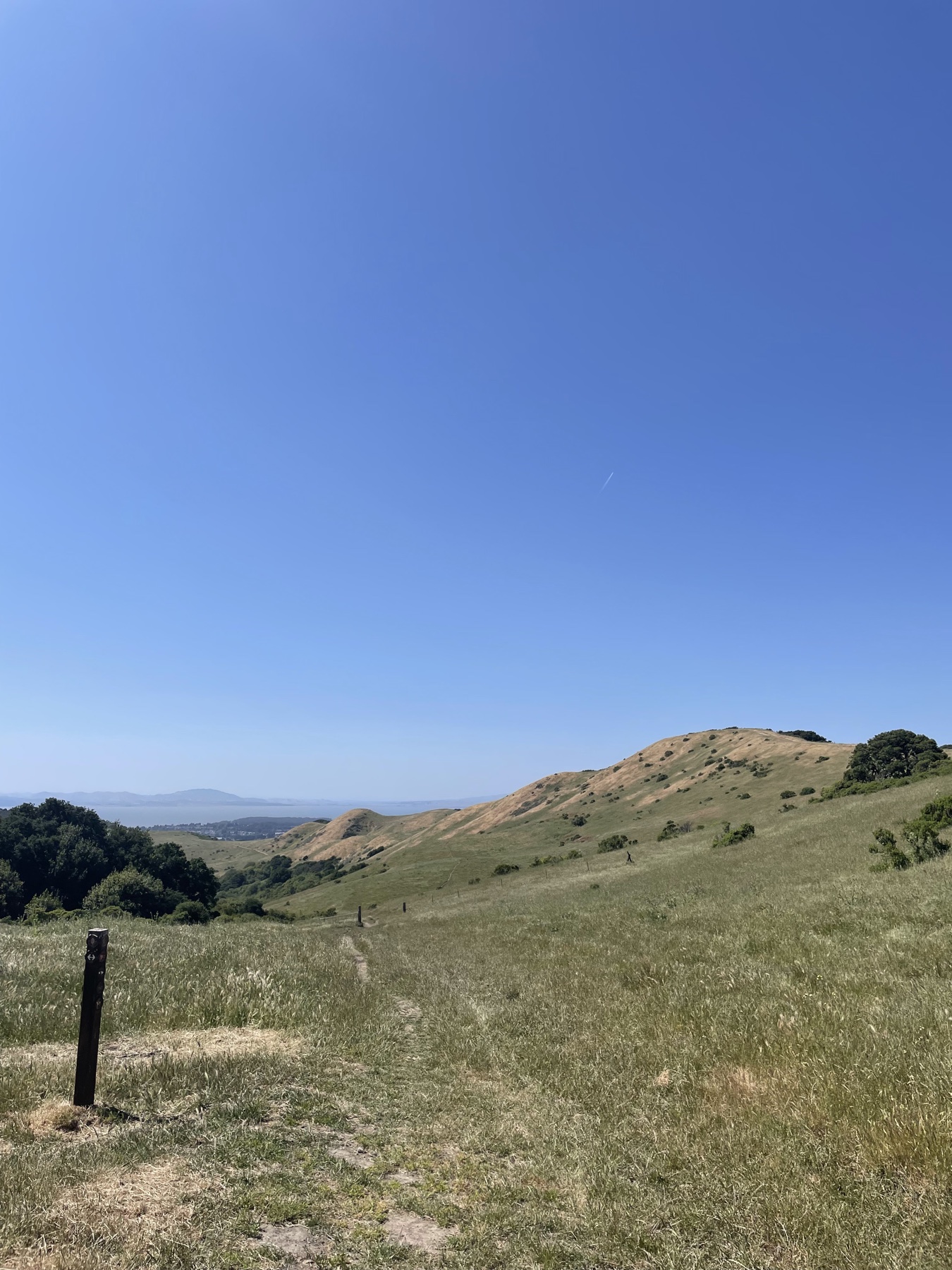
Listen in the treatment area and a comparable untreated area before removal, then repeat the same schedule afterward.
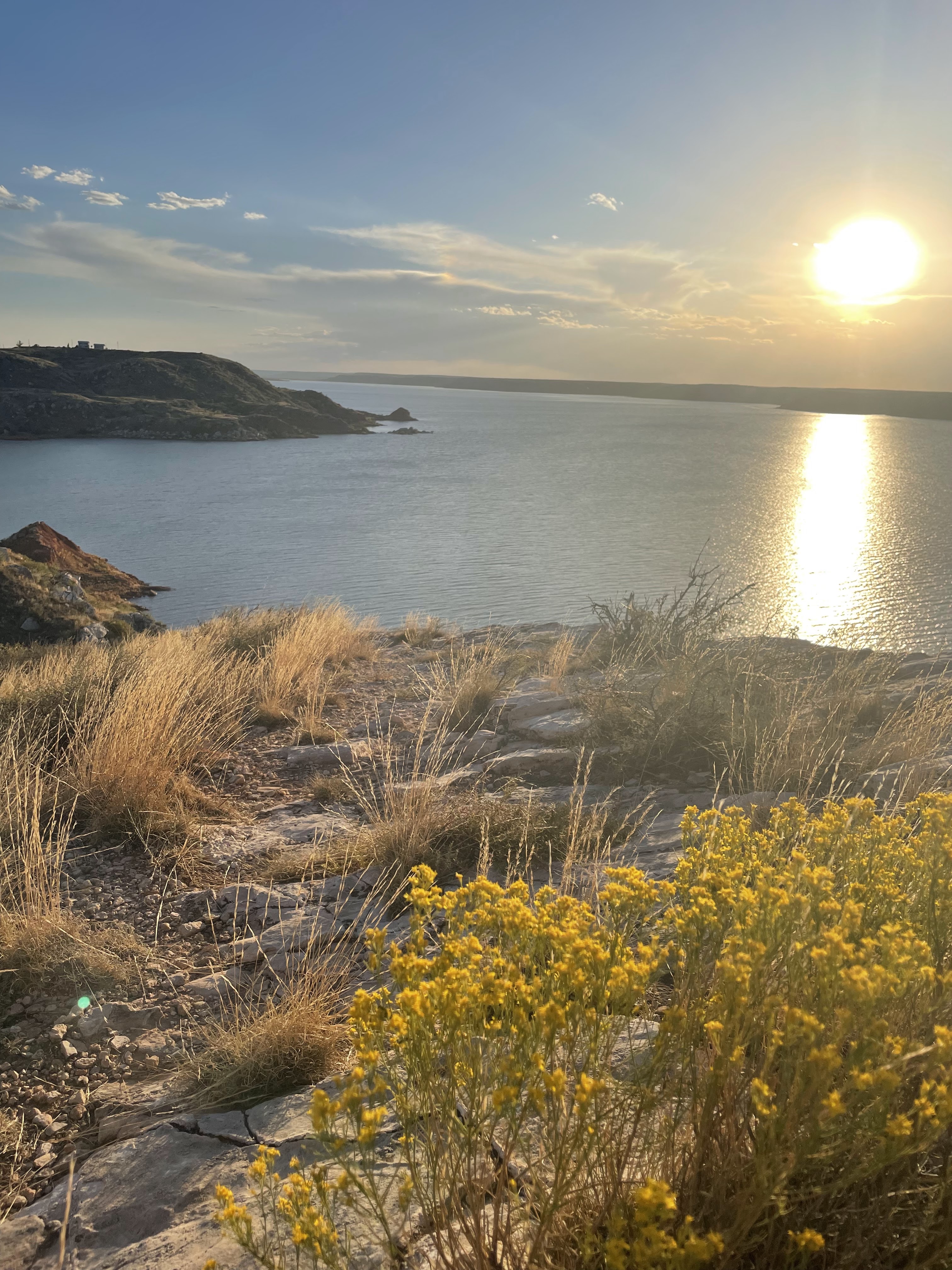
Useful output: a before-and-after record for your restoration team to review.Travel photographs show places that inspire the practice, not completed client projects.
A practical first step
Tell us about the land you care for, the question, and who would guide ecological interpretation. We welcome monitoring projects and conservation partnerships. At suitable California sites in 2026, we can place one Ear for seven days and prepare a starter bioacoustic report.
The Listening Sample is free and limited to California in 2026: one straightforward placement, a starter report, and a results conversation. Outside California, tell us about your location and local team so we can discuss a separately scoped project or collaboration.
Email us at [email protected]