Still Habitat
About
About Still Habitat
A small team, close to the work.
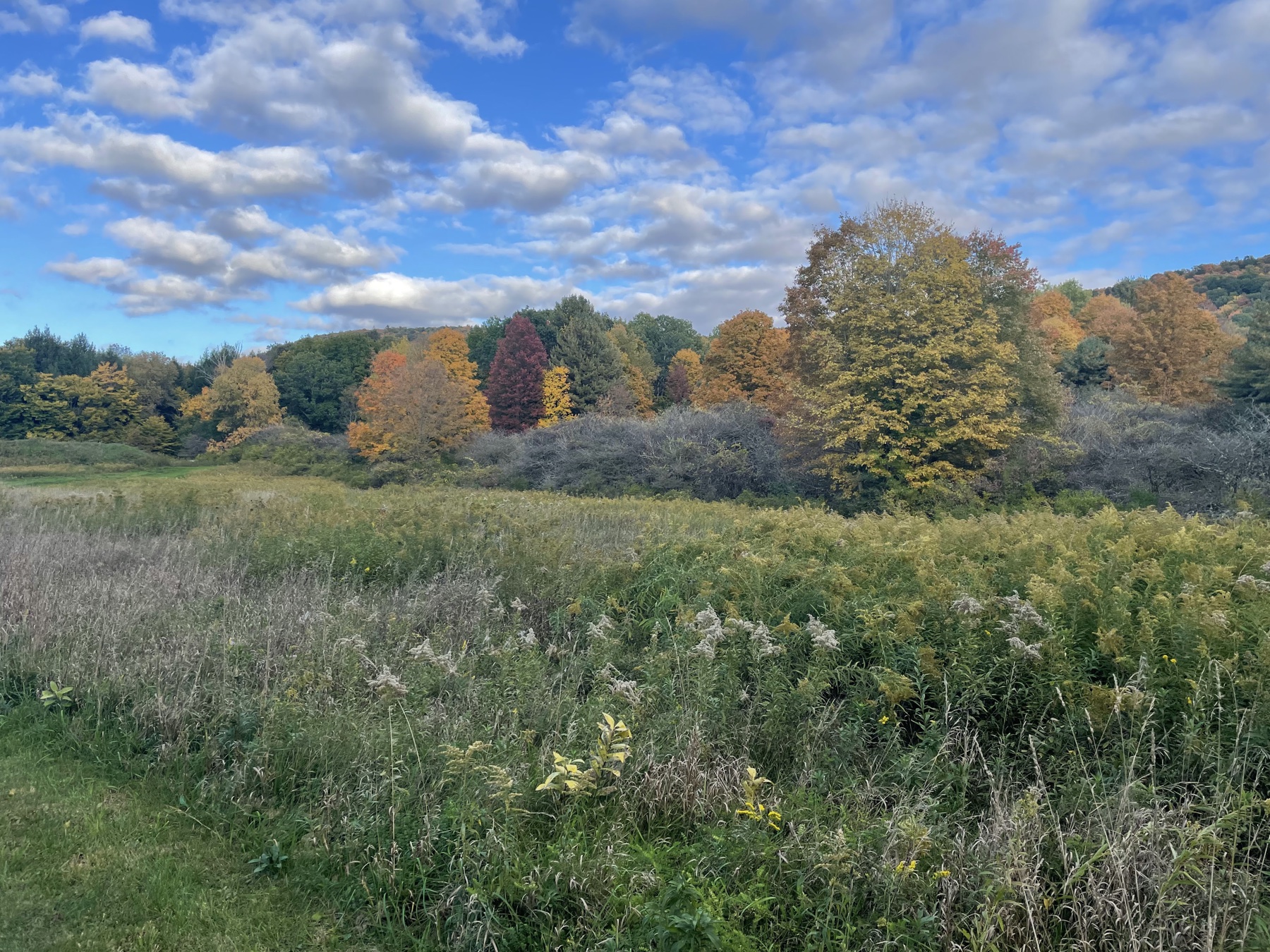
Still Habitat is a small conservation technology company based in Berkeley and open to travel. We design, install, and support Catbird listening networks, with land stewards and field specialists shaping each project around their questions.
Still Habitat leads the equipment, field setup, and data delivery. Land stewards and ecological partners help define the study, review species evidence, and interpret what it means for management.
Our mission
Better tools for a shared landscape.
It’s your land. It’s still habitat.
Our mission is to help people understand, celebrate, and protect biodiversity. As people and wildlife share more space, we need practical ways to understand those interactions and guide habitat restoration and protection. We want Still Habitat to be part of that work.
Affordable, local-first habitat monitoring will take shared designs, shared field lessons, and many kinds of expertise. As development continues to reshape the places people and wildlife share, we want to work with builders and conservation organizations on tools communities can repair, adapt, and afford. Read our open-source goals and Catbird Picnic roadmap.
We also welcome conversations about specialized acoustic projects where partners bring the relevant field expertise and reference recordings.
A conservation project worth talking about?
We consider a limited number of pro bono collaborations focused on vulnerable wildlife and distinctive conservation questions around the world, on land or in the water. If your team has a clear monitoring need, strong local knowledge, and limited funding, tell us about the project. We’ll explore whether our tools, time, and custom sensing work could be a useful fit.
Tell us about your conservation projectBerkeley, California ◆ field work wherever the question leads
The field reel
Serious questions. Not always serious faces.
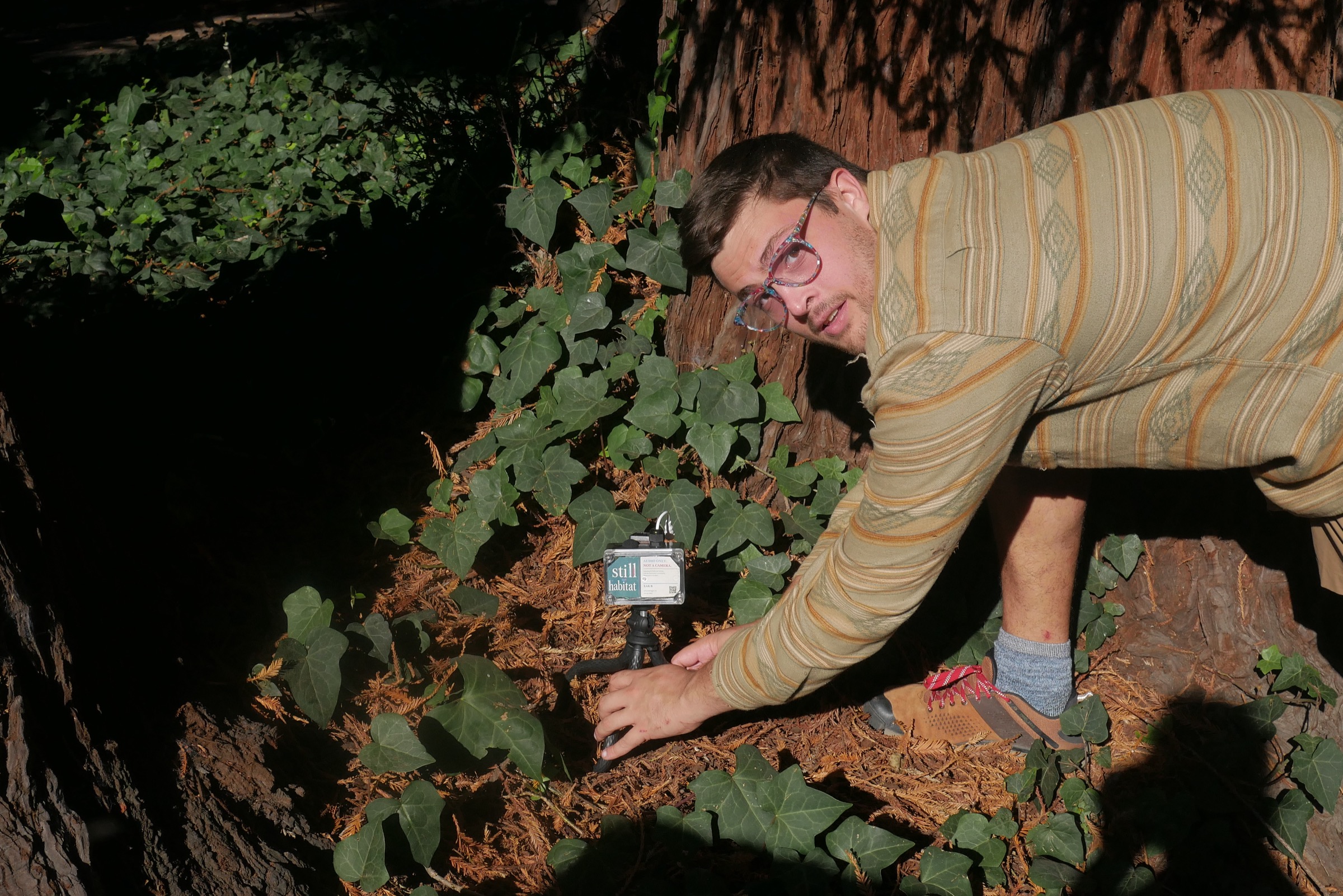
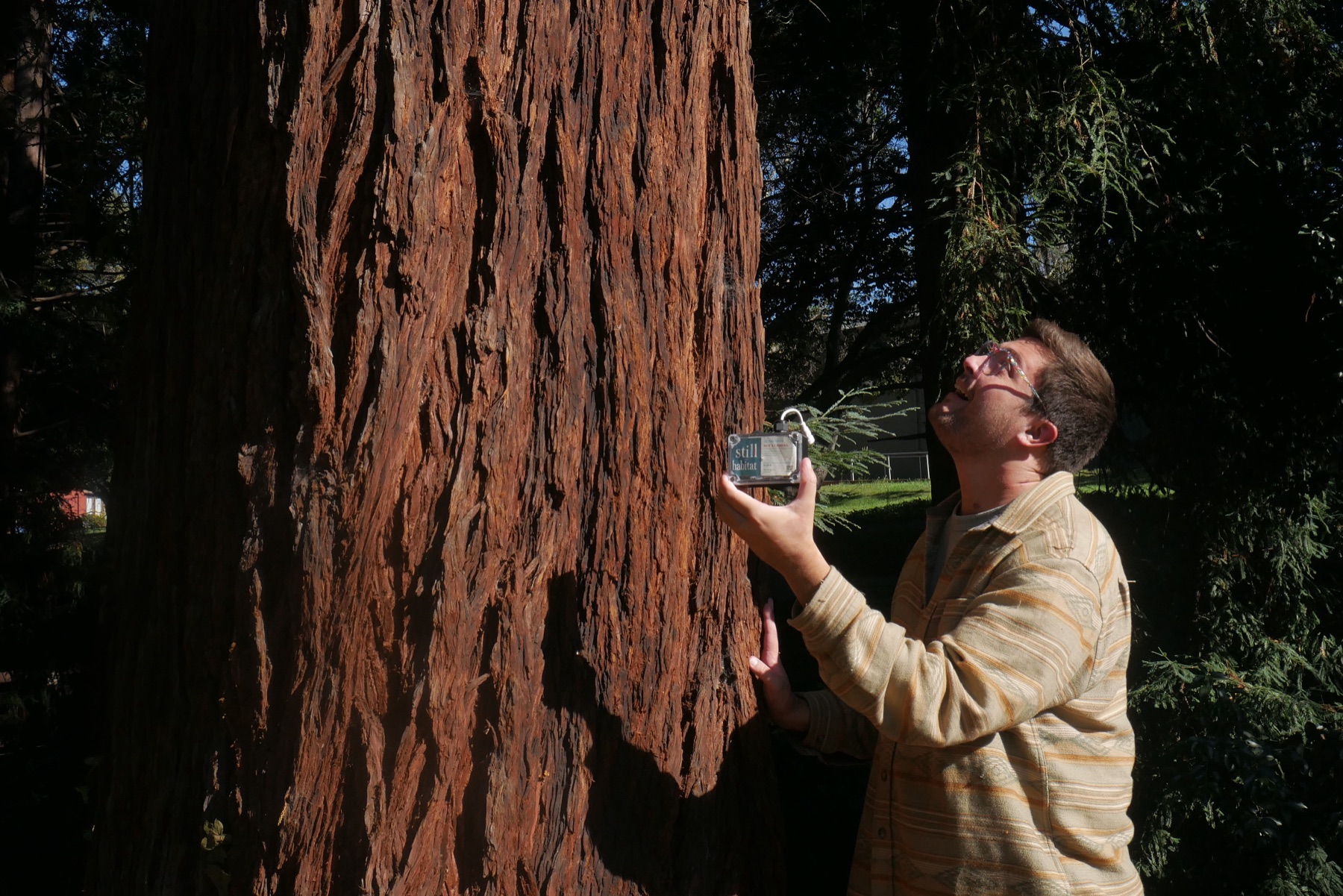
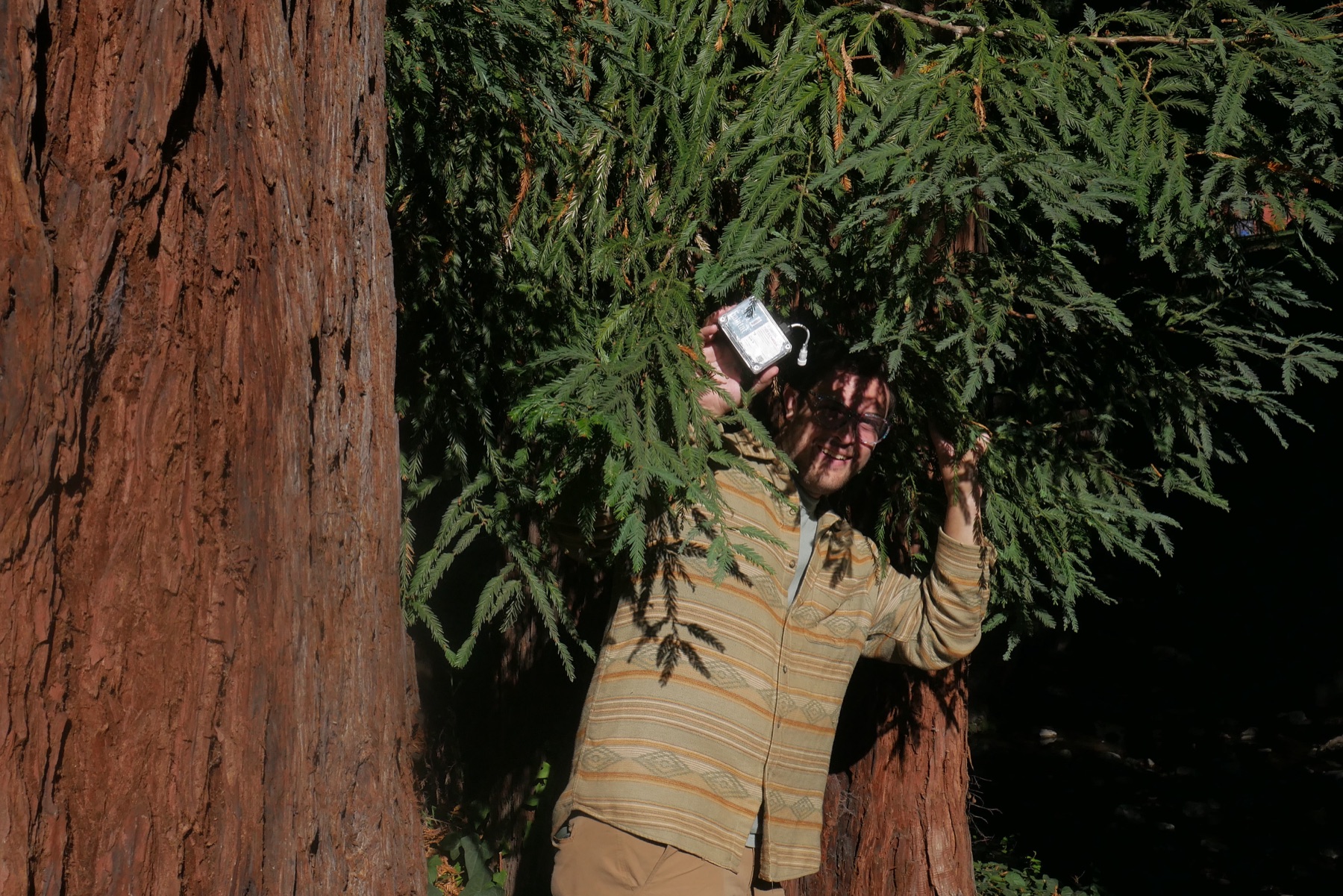
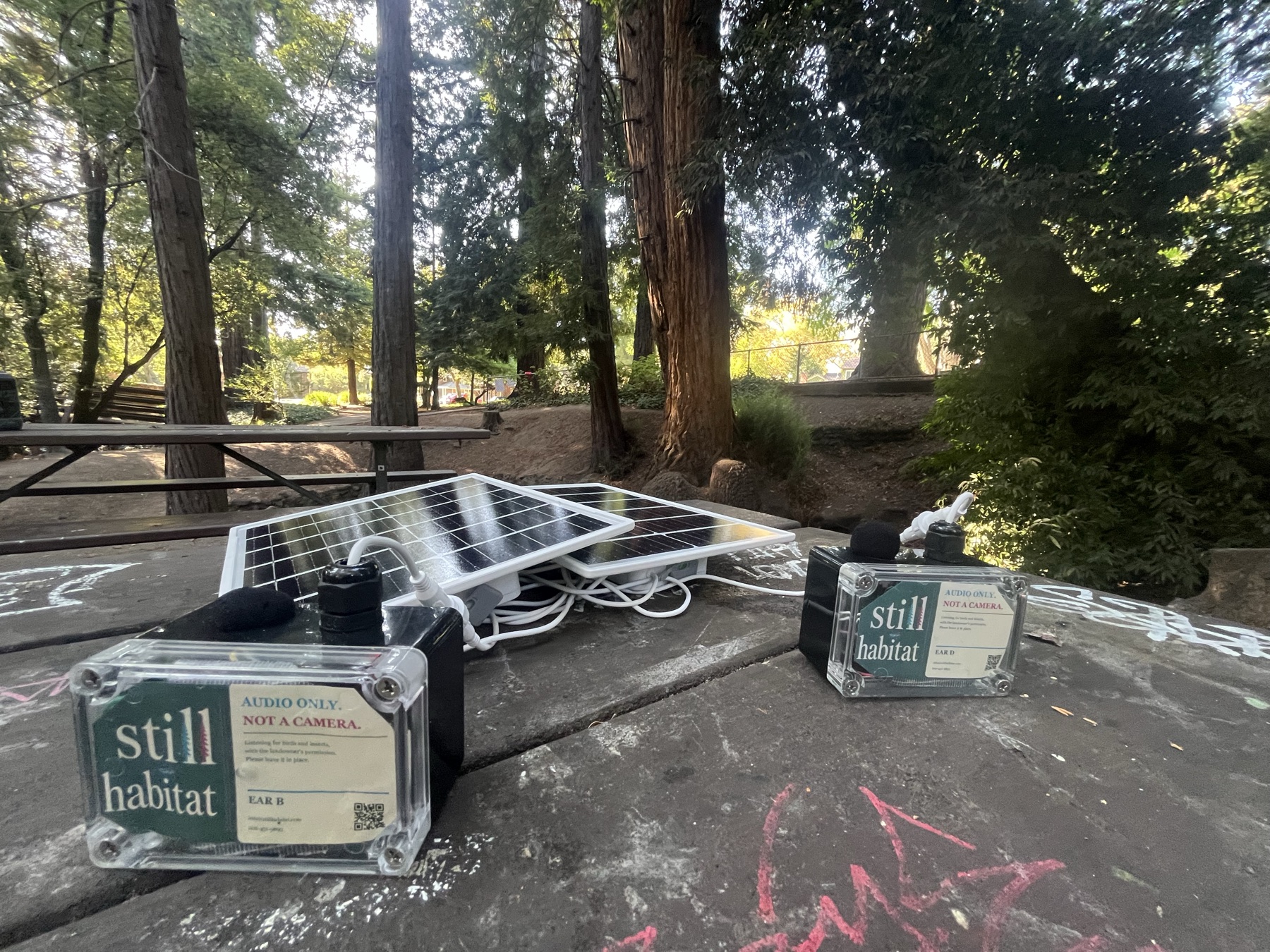
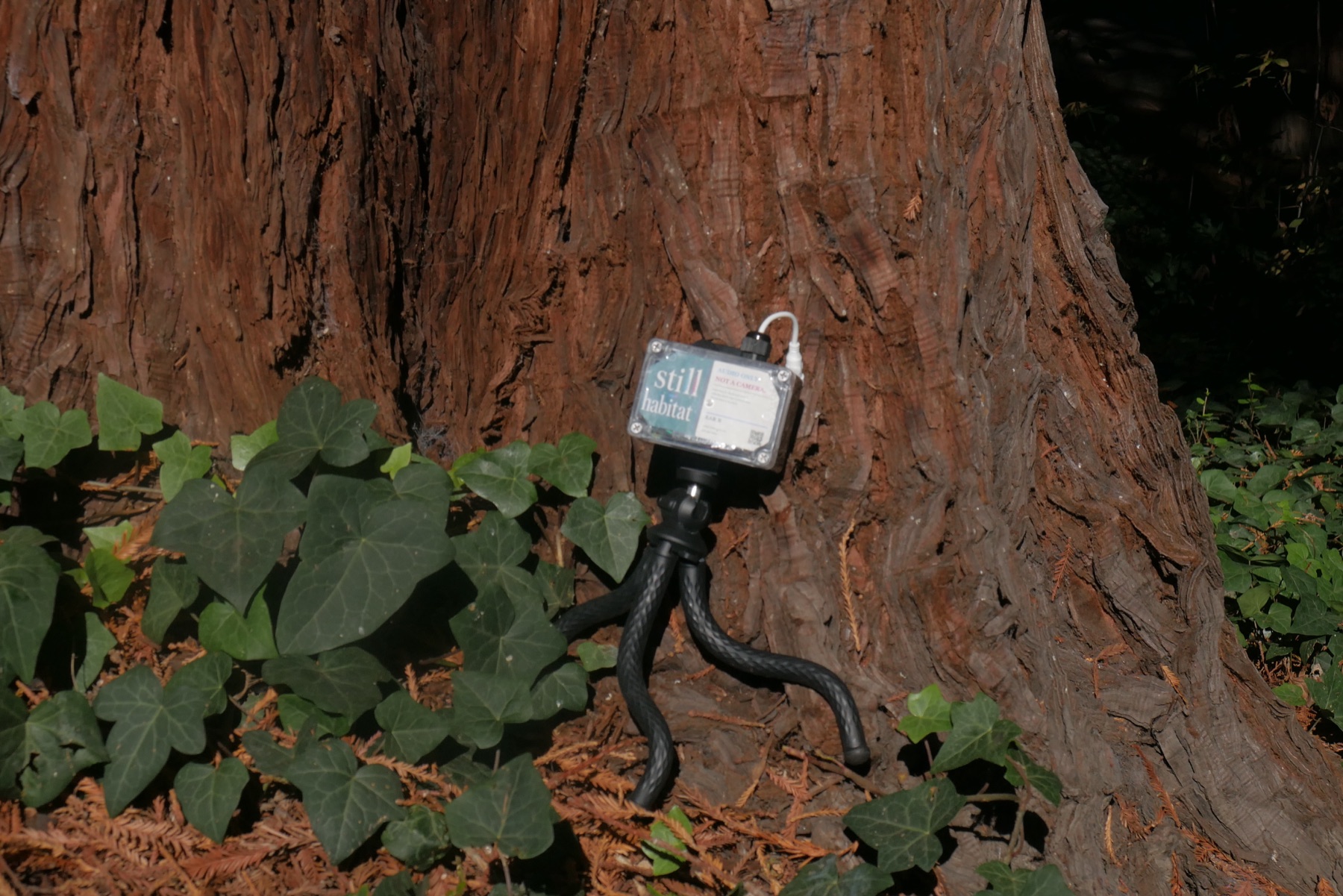
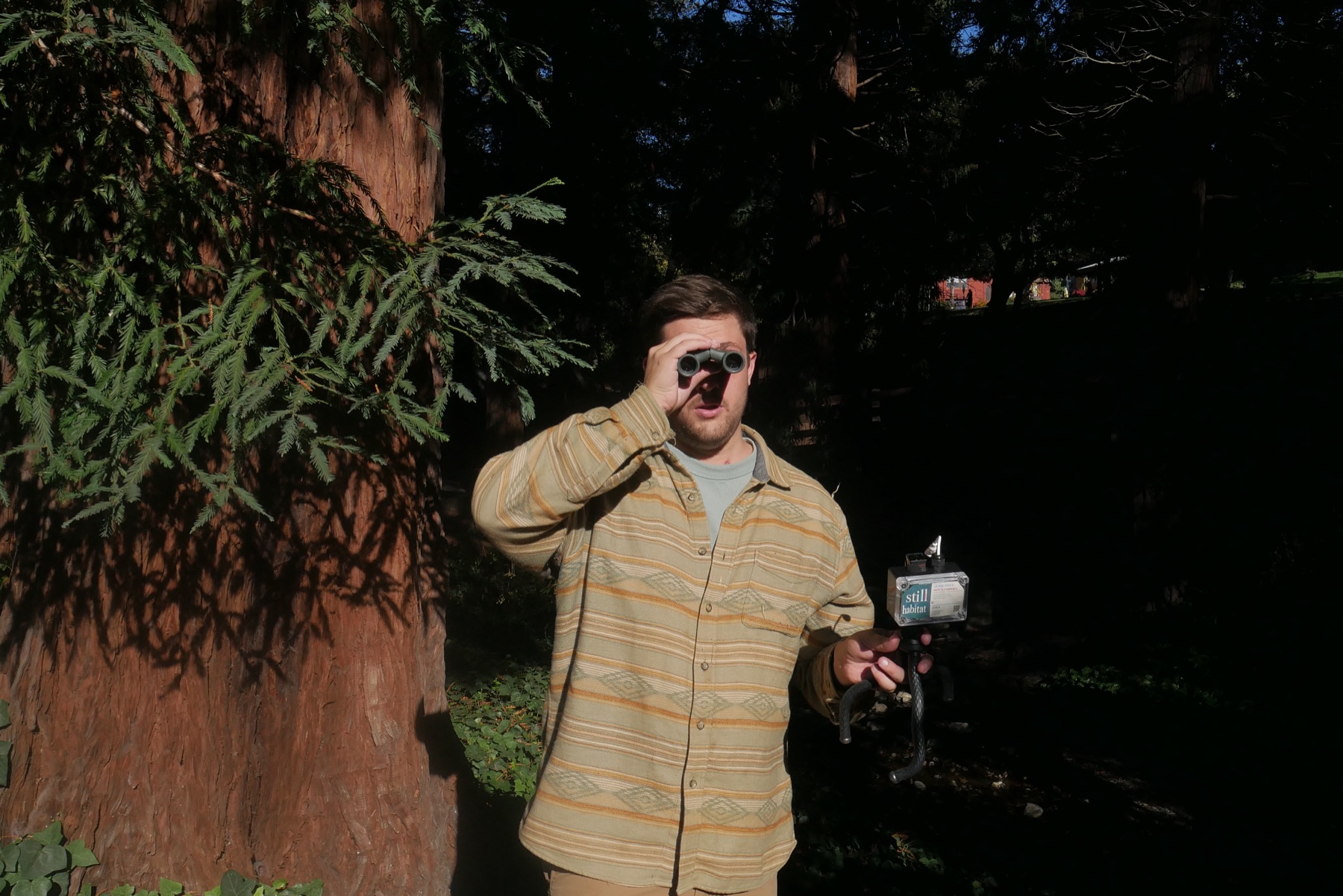
Building conservation technology means prototypes on picnic tables, equipment checks, branches in the face, and plenty of figuring it out outside.
A practical first step
Start with a place and a question.
Tell us about the land you care for, the question, and who would guide ecological interpretation. We welcome monitoring projects and conservation partnerships. At suitable California sites in 2026, we can place one Ear for seven days and prepare a starter bioacoustic report.
The Listening Sample is free and limited to California in 2026: one straightforward placement, a starter report, and a results conversation. Outside California, tell us about your location and local team so we can discuss a separately scoped project or collaboration.
Email us at [email protected]